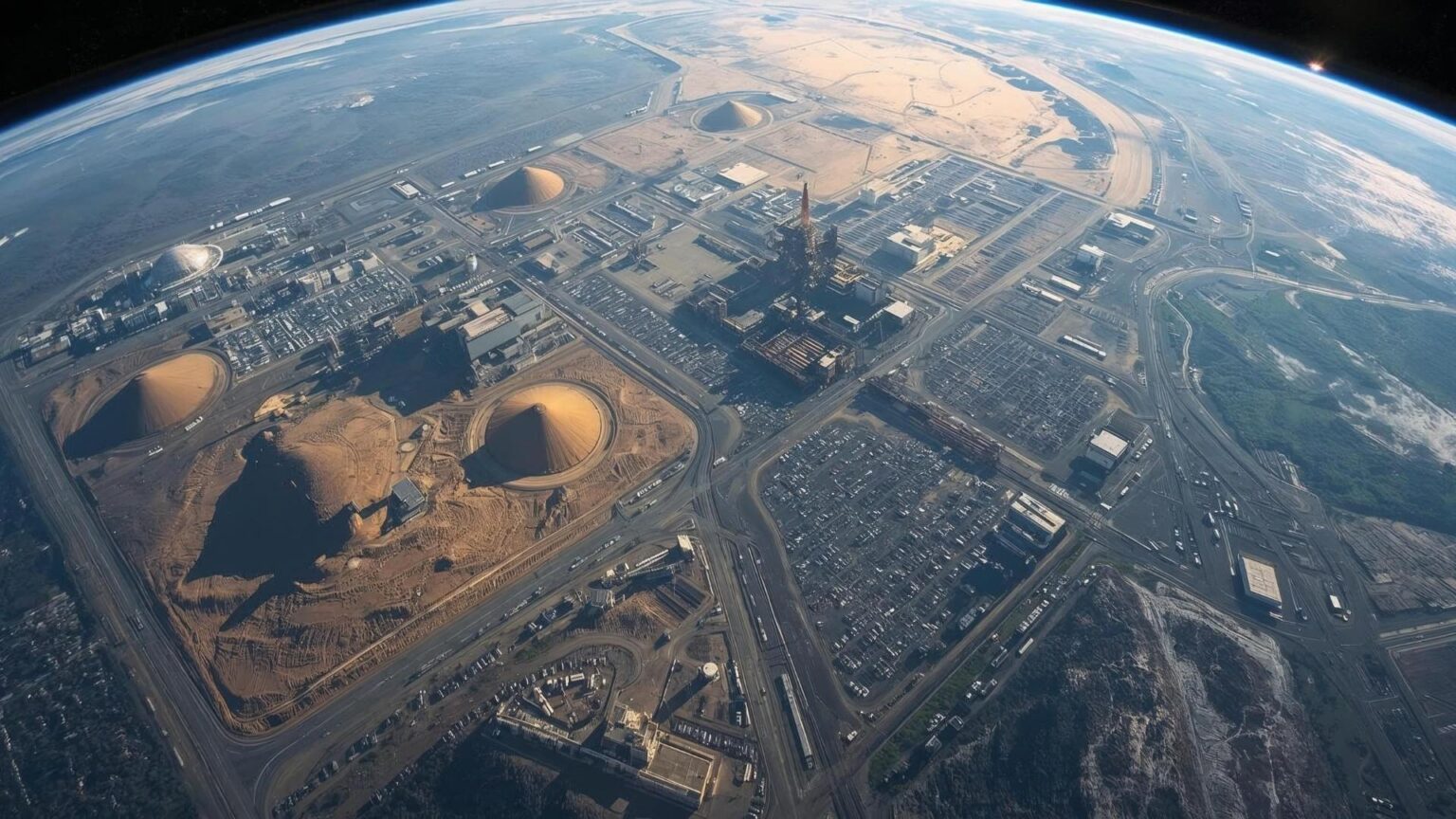
Supply chains are complex webs of activity and risk that span continents, governments and ecosystems. For strategic resources such as copper, nickel, steel and titanium, and an ever‑expanding roster of critical minerals, understanding if, where and how production is happening matters.
The mineral map is changing fast
The global economy is shifting toward materials that power electrification, clean energy and high‑technology manufacturing:
- Base metals: aluminium, copper, nickel, zinc, tin.
- Battery and energy materials: lithium, cobalt, manganese, graphite.
- Rare earths: neodymium, praseodymium, dysprosium, terbium — essential for high‑performance magnets in wind turbines and electric vehicles.
- Strategic industrial metals: titanium, germanium, gallium, platinum group metals.
- Other critical elements: boron, beryllium, niobium, vanadium, phosphate, helium.
Current EU classifications list more than 30 critical and strategic raw materials, reflecting their importance to energy, digital, defence and transport sectors.
This breadth of materials underlines why traditional supply chain tracking isn’t enough.
Buyers need independent insight, not just assurances or promises.
Why space‑based observation is transformative for supply chain monitoring
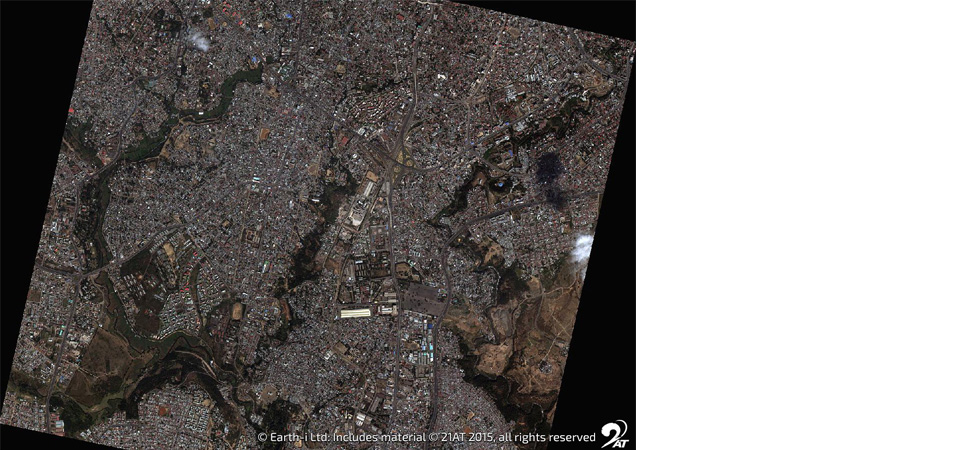
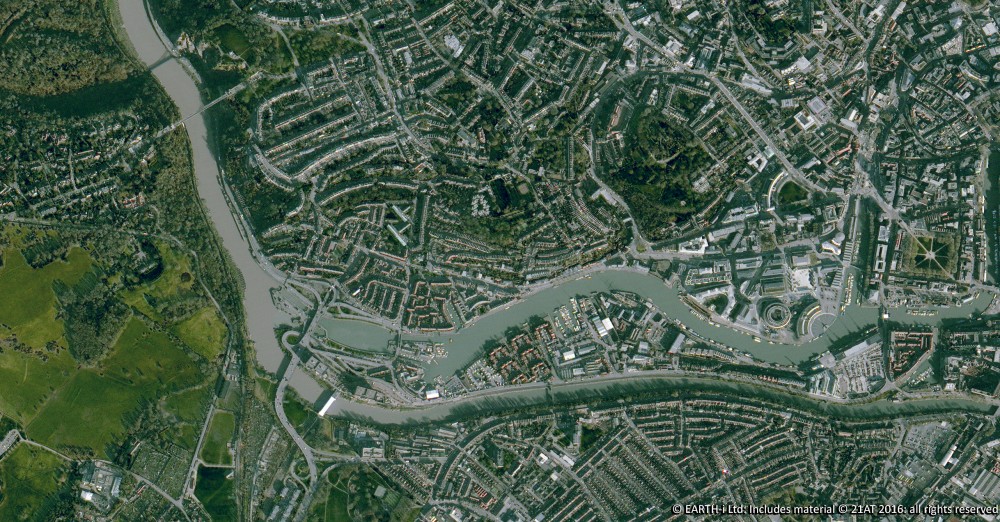
Satellite and Earth Observation data bring a unique, independent perspective to supply chain intelligence, helping to answer opaque questions about remote supply chains:
Is this facility really operating?
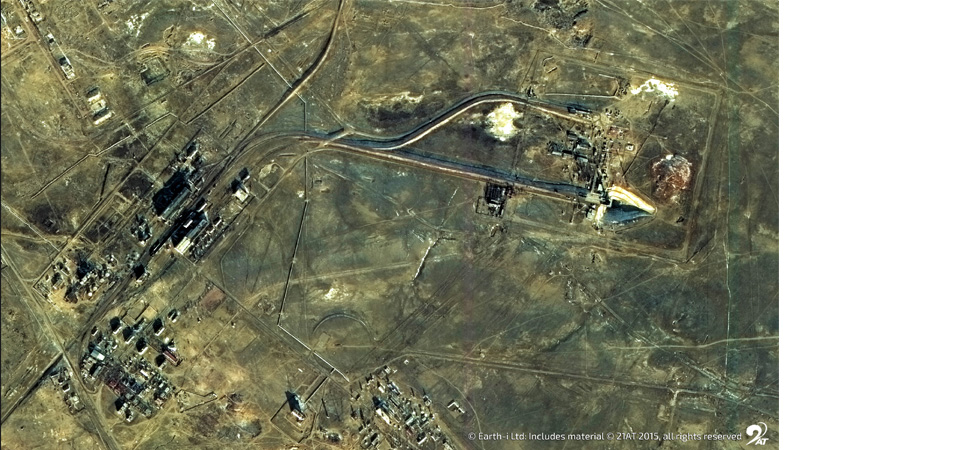
Thermal anomalies from heat sources such as furnaces reveal activity or dormancy. Vehicle counts, expansion of slag heaps, or new infrastructure can indicate production levels long before companies report them.
Where does this metal come from?
Geolocation of smelters, refineries and stockpiles combined with shipping movements enables verification of origin claims. Whether copper comes from facility X in Chile or nickel from facility Y in Indonesia, tracking and monitoring via space can reveal the answers.
Are environmental or human rights issues present?
Colour changes in nearby water bodies, dust plumes, deforestation and land‑use changes can all be monitored over time. Indicators of forced labour, like night‑shift activity without commensurate logistics, can raise flags for due diligence.
Are promises being kept?
If a buyer expects delivery of XX tonnes from a named plant, but satellite data shows that plant has reduced output or halted, that’s actionable intelligence. It bridges the gap between contractual claims and physical reality.
The legislative backdrop: why transparency matters
Space‑derived insight dovetails with rapidly developing regulation around environmental, social and governance (ESG) reporting.
EU Critical Raw Materials Act:
The European Union’s CRM Act identifies dozens of critical and strategic raw materials and sets binding targets for extraction, processing and recycling within the bloc. It also aims to strengthen circular economies and reduce reliance on single‑source suppliers.
Corporate Sustainability Due Diligence Directive (CSDDD):
This EU directive establishes due diligence obligations to prevent adverse human rights and environmental impacts across value chains. Businesses are obliged to identify, prevent and mitigate risks in their supplier networks.
Corporate Sustainability Reporting Directive (CSRD):
CSRD will require comprehensive disclosure of environmental and social impacts, including embedded emissions throughout supply chains (Scope 3), by many companies operating in or selling into the EU market.
Digital Product Passport (DPP):
Under EU law, DPPs will provide a digital trail of materials and components in products, effectively a standardised supply chain ledger that regulators and buyers can query.
Carbon border and decarbonisation rules:
Carbon pricing mechanisms such as the Carbon Border Adjustment Mechanism (CBAM) span imported steel, aluminium and other emissions‑heavy materials, forcing supply chains to account for embedded carbon in ways they never have before.
In the context of supply chain visibility and compliance, independently tracking assets and activity from space is increasingly part of a robust compliance strategie.
Geopolitics and global supply
Legislation isn’t the only driver. Geopolitical dynamics such as sanctions on Iran or rare earths export controls, can disrupt supply overnight. Regions once considered stable may face operational shutdowns or export restrictions. Decision‑makers increasingly need independent verification of on‑the‑ground reality to manage risk.
The value of satellite data and insights
Satellite data doesn’t replace on‑site audits and corporate reporting, but it complements them by providing:
- Persistent and consistent objective monitoring, even in inaccessible locations
- Early warning of disruptions, giving buyers more time to react
- Risk indicators for compliance and investment decisions
- Helping firms show stewardship and satisfy regulators and investors from an environmental context
Earth Observation transforms a static supply chain into a live, monitored system — giving organisations the actionable insight they need to trace assets from production to end use.